Serving with Compassion: Inside My Medical Mission to Honduras
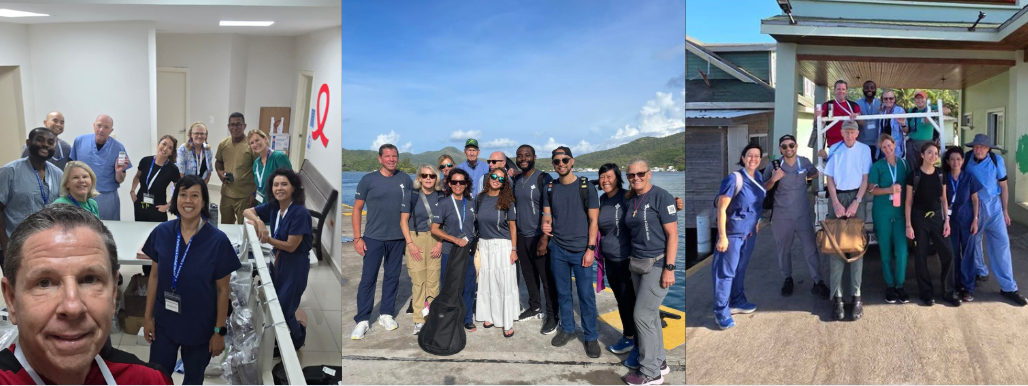
From cities across the United States, a team of clinical and non-clinical volunteers came together for one purpose: to serve and care for the people of Guanaja, Honduras, with Partners for Global Health.
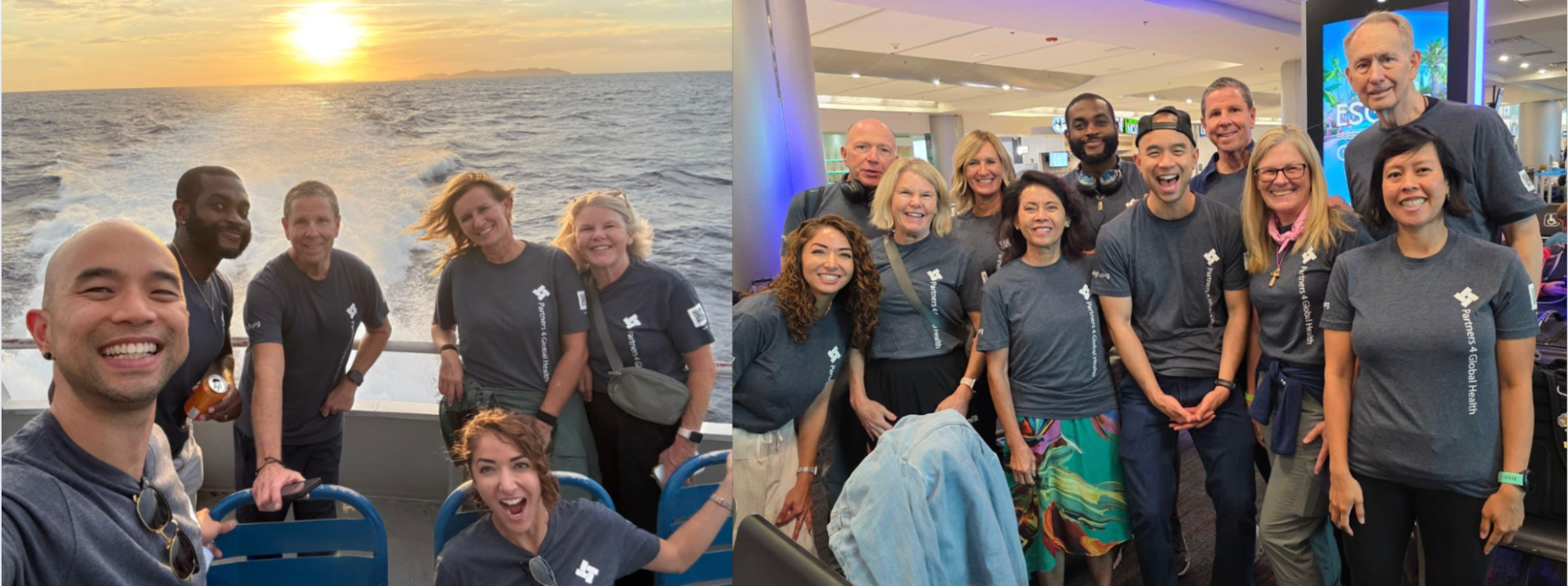
Even though most of us were meeting for the first time in person, there was an immediate sense of enthusiasm and anticipation for the week ahead. The journey itself was memorable—the ferry ride from Roatán to Guanaja filled with open sea breezes, island views, and a painted-sky sunset, followed by a wildly energetic moonlit boat ride from the port to our hotel that none of us will soon forget.
This past September (6–13, 2025), I had the privilege of being part of that team. The medical mission to Honduras left me humbled, inspired, and deeply renewed. It wasn’t just about providing healthcare; it was about connection, resilience, and rediscovering what it means to serve.
Why I Keep Saying Yes to Medical Missions
The past year has been challenging. Like many, I’ve been reflecting on the moral compass of America and asking myself: How can I continue to be a more positive light in times of uncertainty? For me, part of the answer has always been service.
Over the years, I’ve joined several international medical missions, three in the Dominican Republic and one in the islands of Cambodia. Each one reminded me of the privilege we have in the U.S. when it comes to healthcare access. This time, I partnered with Partners 4 Global Health, a nonprofit serving underserved communities in Central America, including the Bay Islands of Honduras.
Our team of 11 doctors, pharmacists, and non-clinical volunteers came together with one mission: to bring care, compassion, and medical resources to people who rarely have access to either.
Touching Down in the Bay Islands
We landed in Guanaja, one of the Bay Islands, where healthcare is scarce. The island of Roatán had recently lost a hospital to a fire, and the remaining facilities were extremely limited. For something as basic as an emergency room visit, locals would need to fly to mainland Honduras.
Before we could see patients, we spent hours unpacking, sorting, and organizing medicines. The logistics alone were a feat, ferries, boats, and customs checks, but with teamwork, everything found its place.
Inside the Pop-Up Clinics
For four days, we held clinics where hundreds came by ferry, truck, or even moped. Families arrived together—parents, children, and grandparents, sometimes traveling for hours to be seen.
We treated a wide range of conditions:
Hypertension, diabetes, and obesity
Respiratory illnesses in children
Chronic wounds and infections
Eye injuries, TMJ pain, and parasitic infections
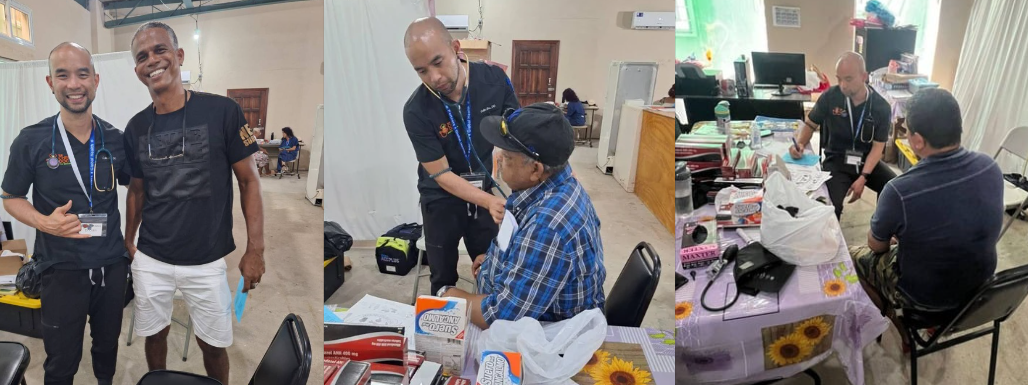
We offered medical care in addition to gynecological services, physical therapy, lifestyle counseling, and created a makeshift pharmacy stocked with donated medications. It was humbling to see how something as simple as providing blood pressure medication or nutritional advice could make such a big difference.
On another smaller island, the challenges were even more striking. Fresh produce only arrived once a week by ferry, making healthy eating nearly impossible. Instead, processed foods and sodas dominated diets, fueling health problems we see frequently back home.
Beyond the Medicine
While the medical work was demanding, the heart of this trip was about human connection and compassion. Our team built strong bonds sharing meals, stories, and laughter between days and after long clinic days. I learned from my healthcare colleagues from Alaska, Arizona, and Florida, as well as from the resilience of locals who welcomed us with warmth despite their hardships.
Outside of clinic hours, I found moments of stillness like watching sunrises, scuba-diving in the ocean (a personal passion), and reflecting on how slowing down can restore the spirit.
After Honduras, I spent three days in Panama with friends, visiting the Panama Canal and other cultural sites. Their kindness reminded me that empathy and compassion transcend borders.
Lessons I Carried Home
This mission renewed my faith in humanity. It reminded me that:
Not every community has the luxury of emergency care, hospitals, or accessible clinics. For many, even reaching a clinic requires hours of travel by boat, bus, or on foot.
What we take for granted—basic checkups, clean facilities, accessible healthcare staff, and a pharmacy on every corner is life-changing elsewhere.
Service humbles you and brings perspective. It strips away the noise of everyday life and helps you see what really matters.
Gratitude grows when you witness resilience. Despite limited resources, the people of Guanaja welcomed us with joy, warmth, and generosity.
Teamwork multiplies impact. Strangers became one family with a shared mission.
I returned home recharged both personally and professionally. This experience reminded me why I chose this path in the first place: to heal, to serve, and to connect. I’m committed to making medical missions not just an occasional trip, but an ongoing part of my life and calling.
An Invitation to Serve
If you’re a healthcare professional, I encourage you to consider joining a medical mission. Organizations like Partners for Global Health, International Medical Relief, and the Making a Difference Foundation are doing incredible work.
Even if you’re not in the medical field, there are countless ways to contribute through logistics, community outreach, or simply showing up with compassion.
Stepping outside of our comfort zones not only changes lives, it changes us.